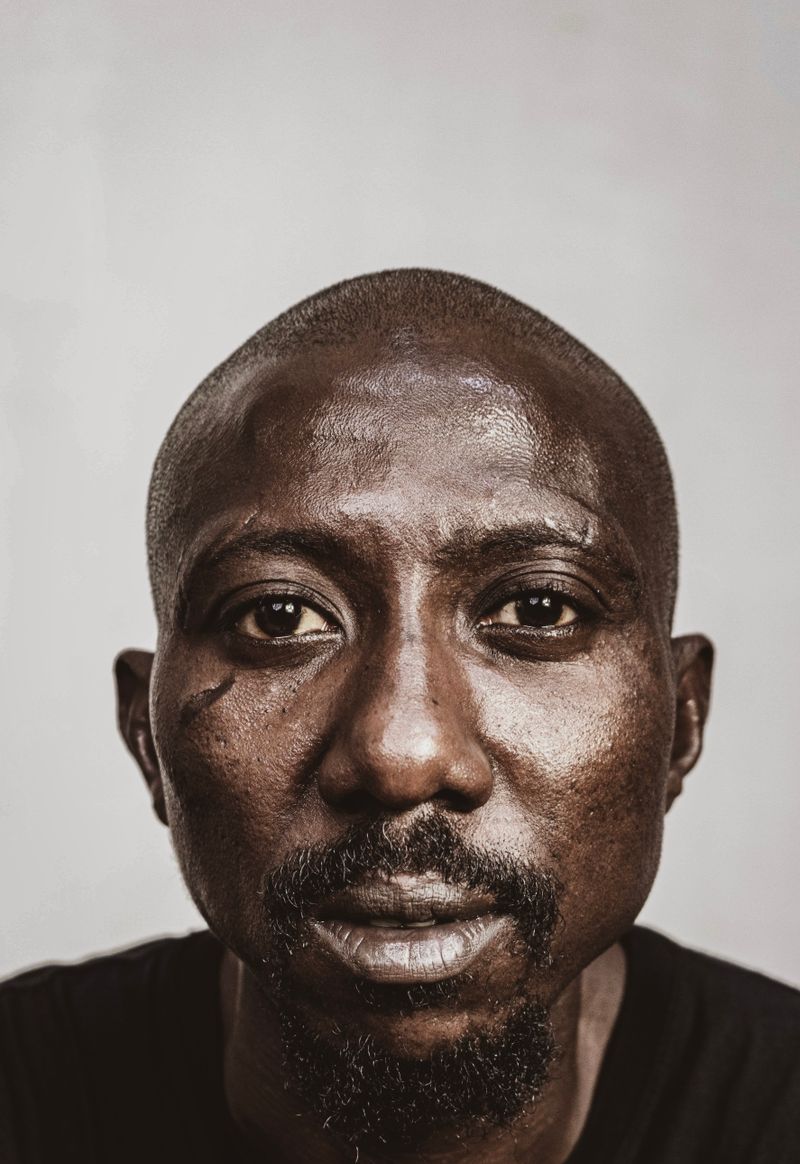
East African brothers in the diaspora navigate a particular version of belonging. This circle is for sharing the food, the language, the politics, the family pressures, and the unique double-consciousness of being East African in Minneapolis, London, Frankfurt, Toronto, or back home in Addis or Nairobi.
Horn & Highland is for East African brothers — Ethiopian, Eritrean, Kenyan, Somali, Sudanese, South Sudanese, Tanzanian, Ugandan, Rwandan, Burundian, Djiboutian — and their diaspora children. The room exists because the East African experience in the broader Black diaspora is particular, and the particulars do not always get the attention they need in rooms that try to cover everyone at once.
The brothers in this room hold a range of life situations. There are brothers born in the region who came as adults for school or work. There are brothers who came as children with their families during the various waves of displacement that shaped East African migration through the last several decades. There are brothers born in the diaspora to East African parents, who hold the heritage through family rather than direct memory. There are brothers from mixed marriages between East African communities. There are brothers from the smaller East African Christian communities — Ethiopian Orthodox, Eritrean Orthodox, Catholic Sudanese, evangelical Kenyan — and from the East African Muslim communities — Somali, coastal Swahili, the various Sufi orders.
We talk about the specific work of building East African diaspora community. The cities with critical mass — Minneapolis, Columbus, Washington D.C., Toronto, London, Stockholm, Frankfurt, Melbourne — have their own community shapes. The cities without critical mass have a different experience: the search for a familiar church or mosque, the search for the food, the search for the language, the search for someone who understands what 'home' actually looks like. Brothers in either situation share what has worked and what has not.
We talk about return. The political situations in several East African countries have made return complicated, sometimes impossible, sometimes wide open depending on the year and the region. The brother whose family fled Ethiopia during the Derg and is now considering retirement back to Addis Ababa is doing different work than the brother who left Nairobi in 2018 for graduate school and is finishing his postdoc with no clear next step. The brother whose family is from Somalia and who has never seen the country in stability is doing different work than both of them. The circle holds all of these without ranking.
We talk about the specific food, language, music, and social form of our cultures because doing so is part of keeping them. Injera and the long meal. Tej and tella. The coffee ceremony in households that keep it. Nyama choma. Ugali and sukuma. Mandazi. Mahamri. The chai of the Swahili coast. The melodies of Mahmoud Ahmed, of Tilahun Gessesse, of the great Sudanese and Kenyan and Tanzanian musical traditions, kept in our homes and passed to our children. We share recipes. We share music. We share the small daily practices that hold us.
The Amharic, Tigrinya, Somali, Swahili, Oromo, Arabic, and other language threads run in their own subthreads. Brothers who are working to keep the language with their children share what is working — the supplementary school, the home-only language rule, the visits back, the media in the language they pipe into the house. None of it is easy. All of it is necessary, for the brothers who have decided language is part of the inheritance.
We talk about the political conversations that the East African diaspora cannot avoid. The Eritrean-Ethiopian history. The Sudanese, South Sudanese, and broader Horn regional dynamics. The Kenyan election cycles and the ways diaspora brothers are pulled into them. The Somali experience across the global Somali diaspora. We do not do partisan content; we do hold space for honest conversation about events that affect families back home and brothers in the room.
The relationship between East African brothers and the broader Black American and African American community is a recurring topic. We are part of the broader Black experience in our adopted countries; we also carry specifics that are sometimes invisible in pan-Black framings. The room holds both at once.
Pinned threads include a thread on diaspora community-building in cities without critical mass, a thread on return travel for the brothers who can return, a language-preservation thread updated regularly, a thread on East African food in the diaspora, and a thread for brothers in mixed East African and other marriages. New brothers are welcome from every region and at every age.