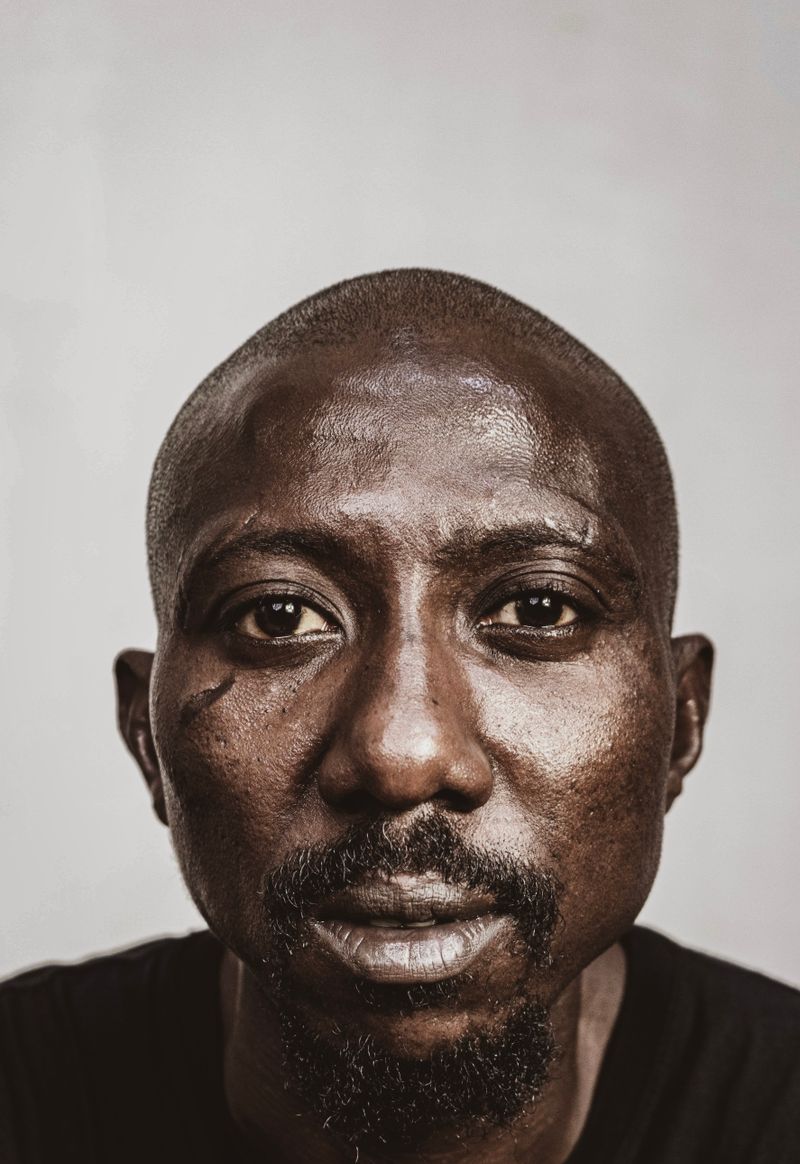
Caribbean men in the diaspora carry island specifics into American, British, and Canadian cities. This circle holds space for the food, the music, the language, the family loyalty, and the harder topics — colorism, machismo inheritance, the legacy of indenture and slavery, and what we keep and what we put down.
This circle is for Afro-Caribbean brothers — Jamaican, Trinidadian, Bajan, Guyanese, Vincentian, Grenadian, Lucian, Antiguan, Kittitian, Haitian, Cuban, Dominican, Puerto Rican of African descent, Belizean — and their diaspora children in the U.S., U.K., Canada, and elsewhere. The Caribbean Black experience is its own thing and it benefits from a room that takes it on its own terms.
The brothers in this room have come from islands that share a great deal and differ in important ways. The Anglophone Caribbean — Jamaica, Trinidad, Barbados, Guyana, the Eastern Caribbean — has a particular diaspora shape in the U.K. and in the northeast U.S. The Francophone and Creole-speaking Caribbean — Haiti, Martinique, Guadeloupe, the smaller islands — has its own diaspora arc, mostly in the U.S. Northeast, Florida, Quebec, and France. The Hispanophone Caribbean — Cuba, the Dominican Republic, Puerto Rico — has Afro-Latino specifics that the Afro-Latino circle on this platform also covers. Brothers in this room move between those subcommunities and the room respects the specifics.
We talk about the long arc of Caribbean migration. The Windrush generation that shaped Black Britain. The post-1965 waves that built Caribbean New York. The Haitian community across multiple cities. The Cuban and Dominican migrations with their own complicated histories. The brothers in this room are children, grandchildren, or great-grandchildren of those migrations, and they carry the family stories.
We talk about language. The Patois of Jamaica, the Creole of Haiti and the smaller islands, the rapid Spanish of the Dominican Republic, the various English-Caribbean patois traditions. Brothers raising children in the diaspora share how they have kept the language alive at home. Some have made it a household language. Some have made peace with the fact that their children speak only the diaspora language and have built other ways of keeping the culture. Both paths are honored.
We talk about food, music, and rite. The brothers who still cook the rice and peas with the right rice and the right peas. The brothers who keep the Sunday meal with the family. The carnival traditions across Trinidad, Brooklyn, Notting Hill, Toronto, Miami. The music — reggae, soca, dancehall, kompa, bachata, salsa, the long musical inheritance that runs through every island. We share recipes, playlists, and the practices that hold us.
We talk about the specific relationship between Afro-Caribbean and African American brothers, which has its own history in our diaspora and is sometimes complicated. Many of us grew up in households where the elders kept a distinction between 'us' and 'African Americans' that did not always sit well with the children. Many of us married into African American families. Many of our children are now indistinguishably Caribbean-American and African American by lived experience. The room talks about how that story has unfolded honestly.
We talk about return. The Caribbean is not far. Brothers in this room go back regularly — for funerals, for weddings, for the summer with grandchildren, for the long stays in retirement that an increasing number of brothers are now considering. The return is rarely simple. The home island has changed; we have changed; the family back home has its own expectations of who we are after years away. Brothers share what they have navigated.
We talk about religion, which in Caribbean households is rarely a single thing. The strong Christian traditions — Anglican, Catholic, Baptist, Pentecostal. The Rastafarian movement and its long arc. The Caribbean Muslim communities. The Afro-Caribbean traditional religious frameworks — Vodou, Santería, Obeah, Espiritismo — that many households kept underneath formal Christian affiliations. Brothers share their honest relationships with all of these.
Pinned threads include a thread on cross-island marriages and friendships, a language-preservation thread, a thread on return — permanent, retirement, and trial — a thread for second- and third-generation Caribbean brothers in the diaspora, and a thread on the music and food practices that hold us. New brothers welcome from any island, any generation.