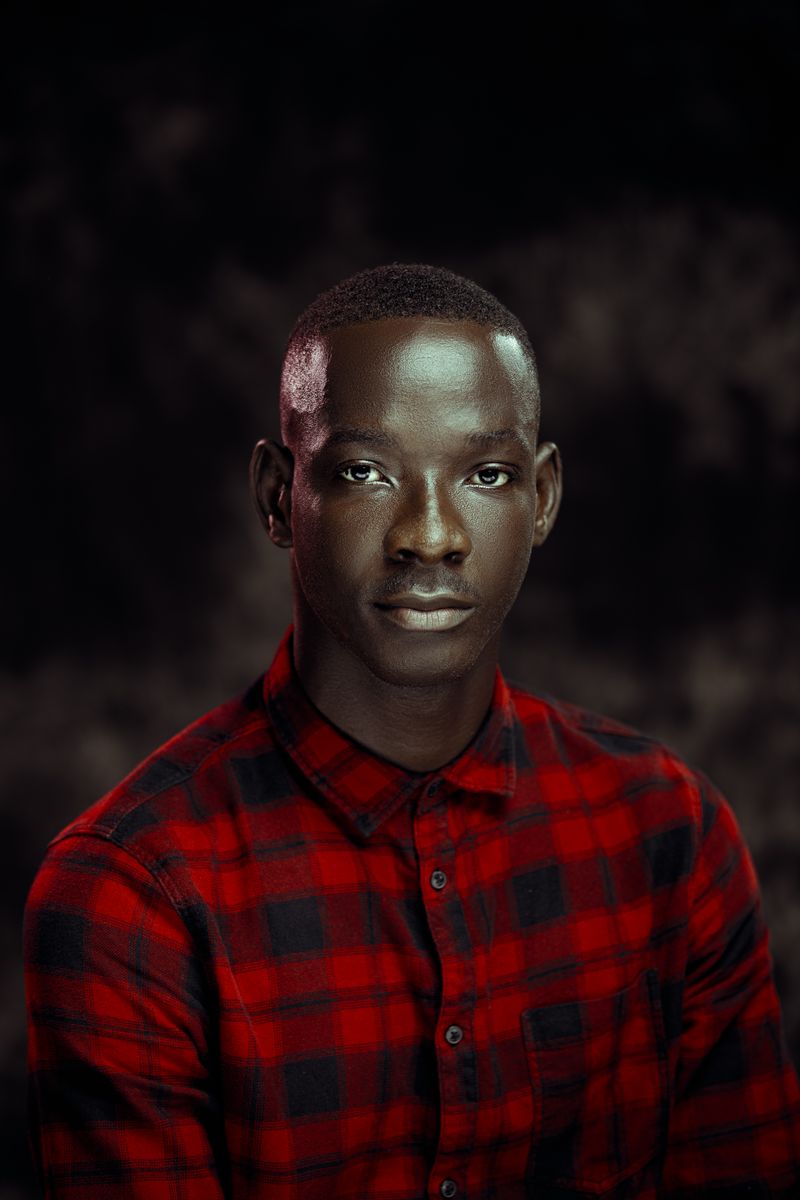
First-generation American brothers carry two passports of the soul. This circle is for the brothers who code-switch between Sunday dinner and Monday morning, who translate American adulthood back to parents who immigrated, who are sometimes the first college graduate, the first homeowner, the first one to push back on family expectations.
This circle is for first-generation American brothers — brothers born in the U.S. (and, with the same orientation, in Canada, the U.K., or other Western countries) to African or Caribbean immigrant parents. The room is also for brothers who came as young children and grew up in a first-generation household. The experience is specific and underexplored.
The brothers in this room are negotiating identities that do not fit neatly. We are American, fully and without apology. We are also our parents' children, raised in a household that runs on a different cultural operating system than the world outside the front door. We are code-switchers by birth. We grew up moving between registers — the home register and the school register, the family-gathering register and the friend-group register — and we did it before most of us had names for what we were doing.
We talk about the family-expectation tax. The expectations our parents brought from home, the expectations they developed once they arrived, the expectations they placed on us as their American children. Some of those expectations are gifts — discipline, work ethic, the long view, the centrality of education. Some of them are burdens — the demand that we choose only certain careers, the assumption that any deviation from the family plan is ingratitude, the weight of carrying the family's hopes into rooms that do not understand what those hopes cost. Brothers in this circle have done all of this work and they share it.
We talk about money and family obligation. The remittance math — how much we send home, how often, to whom — is specific to first-generation life and does not always show up in the financial planning we encounter elsewhere. The expectation that we will help younger siblings through school, that we will support aging parents, that we will contribute to a family build-back-home project, that we will fly home for funerals at our own expense, that we will host visiting relatives in the small apartments we actually have. None of this is unique to us; all of it is intensified by the immigrant family structure.
We talk about dating across cultural lines. Many brothers in this room have partners who are first-generation from a different country, second-generation, African American, white, Asian, Latino, or in mixed-heritage situations of their own. The negotiations are real. How do we explain our families to a partner who comes from a very different structure? How do we explain our partner to our families? How do we raise children who will inherit our complicated identity along with their other parent's? The circle does not pretend there is one right answer.
We talk about the parents getting older. Many of our parents are now in their sixties and seventies, and the specific shape of caring for immigrant parents in their older years brings questions that few of our American peers have. The parents who want to retire home and the parents who want to stay here. The parents who do not trust the U.S. medical system and the parents who refuse to leave it. The brothers and sisters across siblings living in different countries, trying to coordinate care across time zones. These are real logistical and emotional problems, and the circle helps brothers think them through.
We talk about the relationship between our first-generation identity and our Blackness. Many brothers in this room had to learn what Black American identity meant alongside their family identity, often through schooling, friendships, neighborhood, and the slow accumulation of lived experience. Many felt, at points, that they did not belong fully in either Black American spaces or in immigrant spaces, and the circle is the place that work of belonging gets done.
A consistent theme is the slow recognition that we are becoming our own first generation — the elders that the next generation will reference as 'home.' Our children are second-generation. They will not have the same memory of grandparents' kitchens, the same shape of the family language, the same direct line to the home country. What we pass to them is a different inheritance than what we received. The work of being deliberate about that inheritance happens in this room.
Pinned threads include a thread on the family-expectation tax, a thread on remittance math, a thread on dating across cultural lines, a thread on caring for aging immigrant parents, a thread for brothers in mixed first-generation marriages, and a thread on raising second-generation children. New brothers welcome at every stage.