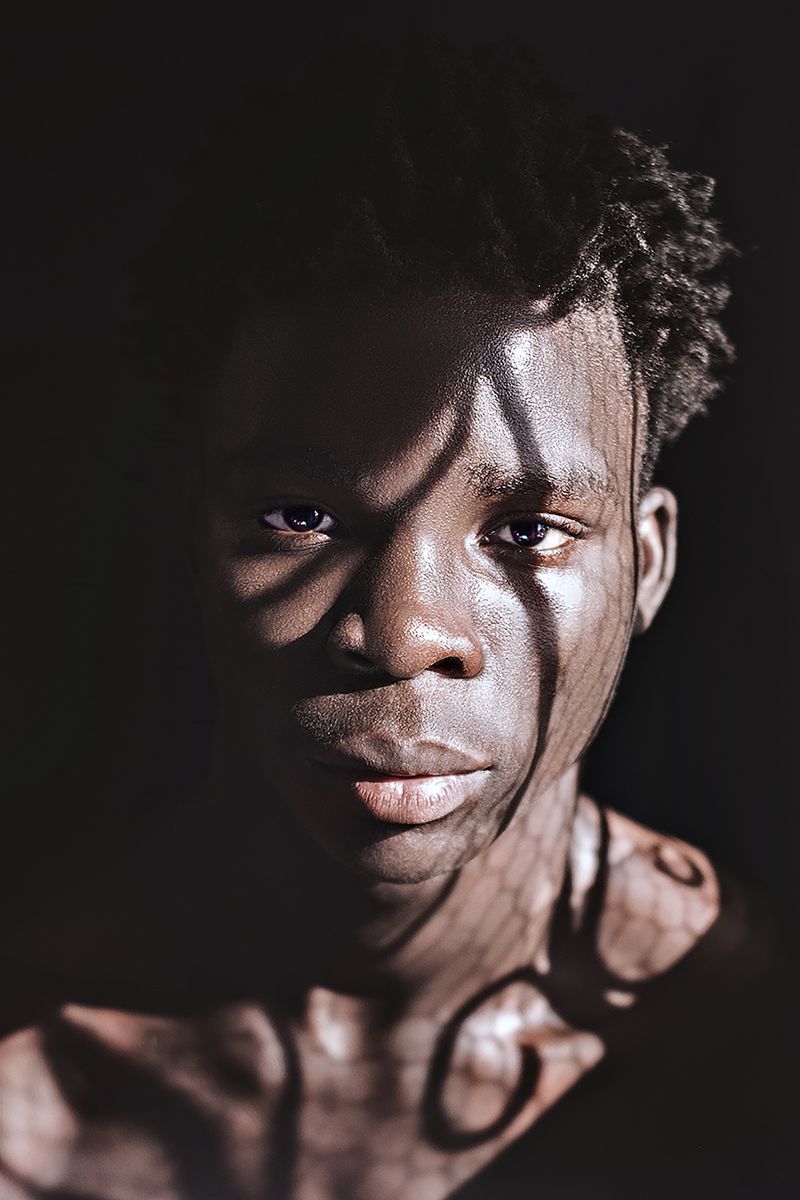
Tunde Adebayo
Mental health for African men — depression, grief, identity
Licensed therapist (LMFT) in London, specializing in depression, complicated grief, and identity work with African and African-diaspora men. My approach is talk-based and structured — CBT, ACT, and culturally-adapted narrative therapy. I do not pretend to be neutral on the questions of racism, immigration, and fatherhood; those are the soil this work grows in.
I keep a sliding-scale list — message me if cost is the blocker. Otherwise sessions are £80/hour or equivalent.
I am a licensed marriage and family therapist (LMFT) based in London. My clinical training is in cognitive behavioral therapy and acceptance and commitment therapy, with additional training in narrative therapy and culturally informed practice. I work primarily with African and African-diaspora men, with a clinical focus on depression, complicated grief, identity work, and the long arc of psychological repair after racial trauma.
My own path into this work was through my own therapy. I came to the U.K. from Nigeria at twenty-two and spent the first decade of my adult life thinking the difficulty I was experiencing was a normal cost of immigration. It was not. By the time I started therapy at thirty-three, I had built a life around symptoms I did not have a name for. The work I did with my own therapist over four years is the work I now help other brothers do. I do not pretend my path is everyone's path, but the specific experience of doing this work as a Black or African man is the lens that shaped my training.
My clinical approach is structured. The intake is thorough — we spend the first two or three sessions building a picture of where you are, where you have been, and what we are trying to do. We then set explicit treatment goals together. The work that follows is talk-based and tends to include homework between sessions — writing exercises, behavioral experiments, thought-record practice. I am not the right therapist for brothers who want unstructured support; for that work, psychodynamic or supportive psychotherapy may be a better fit, and I am happy to refer.
I do not pretend to be neutral on race, immigration, and fatherhood. Those questions are the soil this work grows in. The brother who has been told for fifteen years that his frustration with workplace racism is 'overreaction' is not going to be helped by a therapist who repeats the same framing. The brother who is grieving a father he lost to a healthcare system that failed him is not helped by a therapist who treats the system as neutral background. My practice takes the social context seriously while keeping the clinical work focused on what is treatable in this room.
Sessions are fifty minutes. I see clients via video — most of my caseload — and in person at my consulting room when geography and schedules allow. I have a small sliding-scale list for brothers who would otherwise not be able to afford care; the list is currently full, but I review it quarterly and add new spots as existing slots close out. Standard sessions are £80 per hour or local-currency equivalent.
What I can help with: depression, anxiety, complicated grief, identity and immigration-related distress, father-son work in adulthood, work-related stress and burnout, men's experience in marriages and partnerships, the broader work of becoming the kind of man you wanted to be. What I cannot help with: active psychosis, active suicidality requiring crisis-level care, severe substance-use disorders that require dedicated addiction treatment. For those situations I will refer you to colleagues who specialize.
If you are considering this work, the first useful step is to write me a brief note about what you are dealing with and what you would like to be different. I read every note. I respond within a week. If we are a match, we will set up a no-fee twenty-minute consultation call to confirm that you and I are right for each other before any clinical work begins. The starting point is your own willingness to do this work. Everything else we figure out together.
Sign in to send Tunde Adebayo a virtual gift.
How a session works
What to expect when you book Tunde Adebayo.
1. Intro call
The first conversation is short and free. You describe your situation in your own words. Tunde Adebayo listens, asks a few clarifying questions, and decides honestly whether this is the right working relationship for what you are trying to do. Not every brother ends up being the right match for every mentor; the intro call exists so the decision is mutual and clear before any commitment.
2. Working sessions
Most ongoing engagements run on a biweekly or monthly cadence. Each session is roughly an hour. There is usually a piece of homework between sessions — a writing exercise, a conversation you have committed to having, a small decision you are sitting with. The work happens in the space between calls as much as in the calls themselves. The platform commission of 15 percent on paid sessions covers hosting, support, and the editorial vetting that keeps the mentor roster honest.
3. Long-arc relationship
The brothers who have worked with mentors on this platform longest are the brothers who treated the relationship as a long arc rather than a single transaction. The first three months are where the patterns get named. The next nine months are where the patterns start to shift. The years after that are where the relationship becomes something more like the long mentor relationships our elders had, which were rarely about a single career move and almost always about the slow shaping of a life.
Related circles
Brotherhood rooms in Mental Health and Afro-European.
If Tunde Adebayo's scope overlaps with what you are working on, you may also benefit from the brotherhood circles in the same topic area or diaspora region. The circles are free to join with an account; the conversation happens between brothers rather than between a single mentor and a single client. Many of the brothers who eventually book Tunde Adebayo arrive after months of reading and posting in the circles below.
The Inside Work
Therapy, depression, grief — without the macho silence.
The Heavy Days
Anxiety, depression, and the slow climb back.
The Lost Year
Losing fathers, brothers, sons, partners, friends.
Day Counting
Recovery from alcohol, weed, opioids, gambling, porn.
Other mentors in Mental Health
Different price points and approaches.
Mentorship fit is specific. The right mentor for one brother is the wrong mentor for another, even when the topic area is the same. The brothers below all work in Mental Health but bring different backgrounds, regions, price points, and approaches. Read their full pages before you decide. The intro calls are free for a reason.
Dr. Earl Ellis
20 yrs · African American · $180/hr
Psychology for Black men — anxiety, depression, midlife
Brother Lawrence Hayes
14 yrs · African American · Free
Peer recovery — alcohol, opioids, gambling, porn
Tre'Vell Brooks
10 yrs · African American · $115/hr
Grief counseling for Black men — recent and old loss