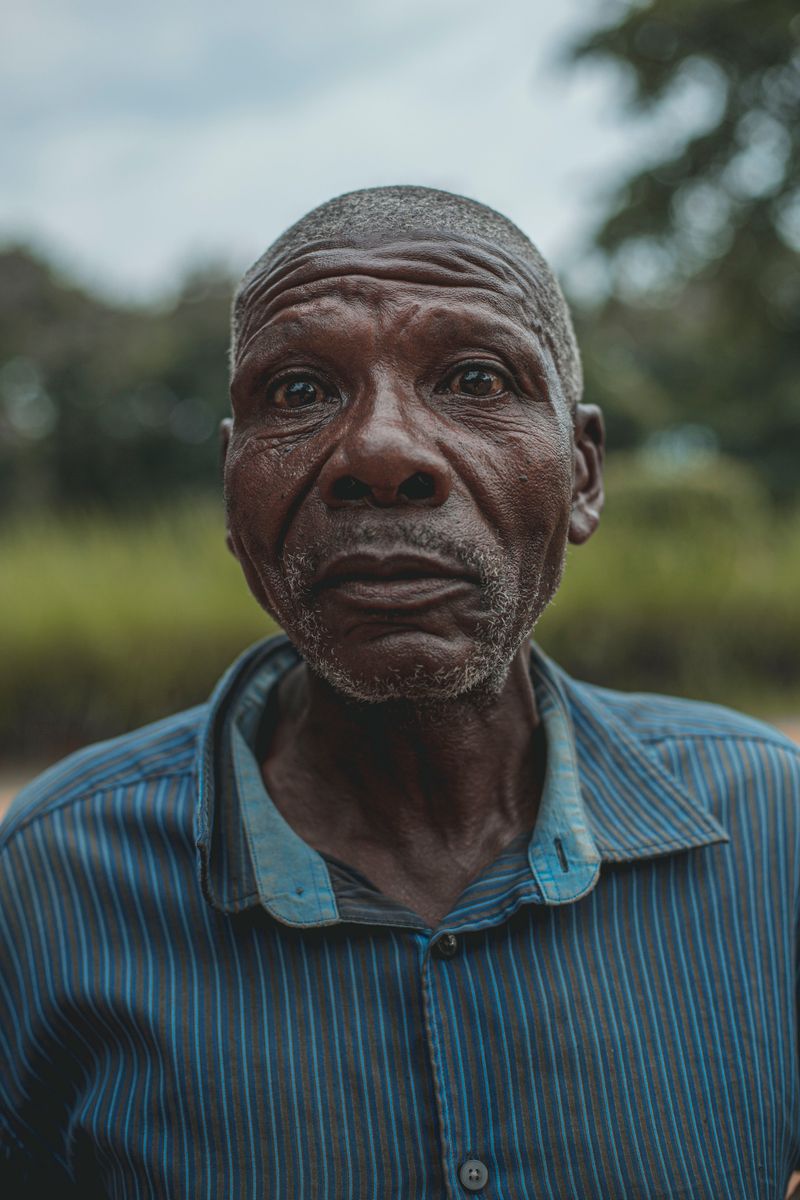
Recovery is not a single story. This circle holds room for brothers working any program — twelve-step, SMART, faith-based, harm reduction, medication-assisted, doctor-led. We share our day counts, we name our triggers without spectacle, and we keep the room safe for the man who walked in today with one day.
Recovery is the circle for brothers in active recovery from addiction. The substances vary — alcohol, opioids, stimulants, cannabis, gambling, food, the unnamed processes that have run people's lives — and the program affiliations vary. There are brothers here in twelve-step programs, brothers in SMART Recovery, brothers in faith-based recovery, brothers in medication-assisted treatment, brothers in long-term therapy-only recovery, brothers who have built their own framework with elements from several approaches. The circle does not endorse a single path. It respects every brother's program and the years of work that produced it.
The brothers in this room are at different stages of recovery. There are brothers in the first ninety days, where every day is its own decision. There are brothers in the first year or two, where the body and mind are stabilizing and the life that was hidden by the addiction is starting to be visible. There are brothers five, ten, fifteen, twenty years into recovery, who use the circle as service work — showing up for the newer brothers in ways that honor what was done for them when they were new.
Confidentiality in this room is strict. We do not screen-shot threads. We do not name specific brothers in outside conversations. We honor the anonymity that is the foundation of many recovery traditions, and we extend it to every brother whether or not his program asks for it. The rule is simple: what shows up in the room stays in the room. The circle lead enforces this rigorously.
We talk about the specifics of recovery in our community. The cultural pressure to be 'fine.' The family members who do not want to acknowledge that anyone in the family had a problem in the first place. The friends from the using days who are still using. The first sober wedding, the first sober holiday, the first sober funeral, all of which test the program in different ways. The slow work of rebuilding trust with partners and children, when there is rebuilding to do. The financial repair, when there is financial damage to repair.
We also talk about the work of being a Black or African man in recovery rooms that are often majority-white. The experience of being the only Black brother in your home group is common in many parts of the U.S. and Europe. It is not always comfortable. Brothers in this circle share how they have built community across rooms, how they have found Black-led groups when those exist, and how they have stayed in mixed-race rooms when those rooms were the only ones available. None of that is easy. The circle helps.
We do not allow proselytizing for any single program. AA works for many brothers. SMART works for others. Medication-assisted treatment is medical care and is treated as such. Faith-based recovery is a real path for many. What we ask is that brothers describe what is working for them in their own program without telling other brothers their program is wrong.
The relapse threads are the hardest. Some brothers in this circle have relapsed and returned. We do not judge them. We hold the seat for the next brother who needs it. We do not pretend that relapse is failure; we do not pretend that relapse is nothing. It is a part of many recoveries. The room is there for the day before, the day of, and the day after.
We talk often about the program of recovery as a whole-life discipline rather than a substance-only discipline. The honesty, the inventory, the relationships, the service work, the spiritual practice for brothers whose program includes one. The work of recovery is the work of becoming a person who does not need the substance to get through the day. That work is long, the brothers in this room are doing it, and they are doing it together.
Pinned threads include a first-ninety-days thread, a thread on early-recovery relationships, a thread on family-of-origin work in recovery, a thread on recovery and parenting, a thread on the anniversary moments that hit hardest, and a private thread (request-access only) for brothers in active relapse risk. Reach out to the circle lead if you need that private thread. We will get you in.