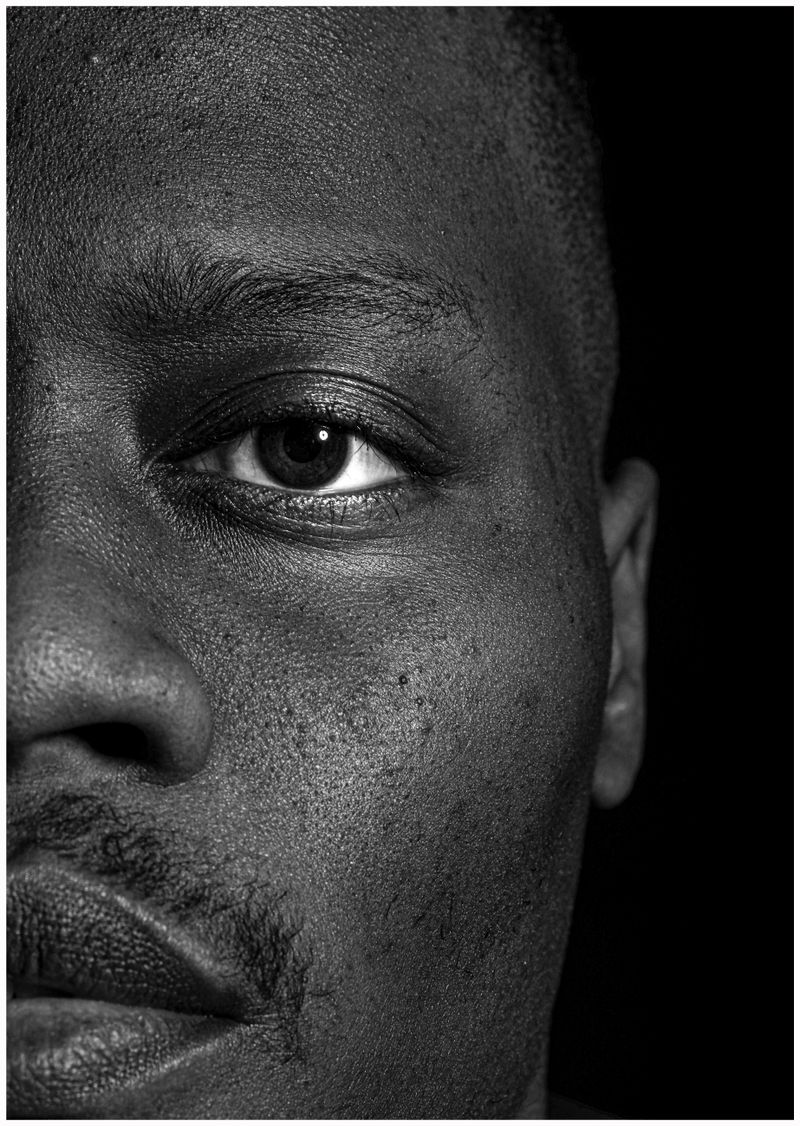
Kwame Mensah
Engineering leadership — IC to director, FAANG-track or independent
I spent 14 years climbing the engineering ladder at three well-known tech companies before going independent in 2024. I now coach Black engineers through the inflection points: the IC-to-manager jump, the manager-to-director jump, and the much-harder choice to leave the salary altogether and build your own thing.
I work with brothers in their 30s and 40s who are stuck at L5/L6 and being told they're 'almost there' for the third year running. We unstick that — by getting honest about the politics, getting clear about the compensation gap, and building the visibility plan most of us were never taught.
Free intro call. Paid sessions thereafter. I'm slow to respond but I show up when I do.
My career in engineering went like most ambitious careers go in this industry: I was hired into a junior role, I did strong work, I moved companies once or twice for compensation jumps, I was promoted through the senior engineer band, I made staff, I was asked to go into management, I went into management, I made it to senior manager and then director. Fourteen years from start to director. On paper, that is a clean trajectory. The actual experience was a series of small decisions, most of them made in isolation, almost none of which I had been prepared for.
What I wish I had known: the technical work was almost never the bottleneck. The bottleneck was always the same — managing the politics of being read as either too ambitious or not ambitious enough, depending on the day and the room. The visibility work — making sure leadership could see what I was doing and could attribute it to me rather than to my team — was a discipline I had to build from scratch in my late twenties. The promotion narratives I wrote for myself were the single highest-leverage piece of writing I did each year. None of this was taught at the university where I studied.
I now coach brothers in the engineering ladder. My typical client is a Black engineer at L5 or L6 — senior or staff track — who has been told for three years that they are 'almost there' for the next promotion and is starting to wonder whether the promotion is going to come. I have seen this pattern dozens of times. The pattern is not always solvable. Sometimes the company is not going to promote the brother, regardless of how good he is, and the right move is to leave. Sometimes the company will promote, but the brother is missing a specific piece of the visibility work and we can build it together over six to nine months.
The work I do is structured. The first call is a free intro call — we use it to figure out whether I am the right coach for the brother and the situation. If we decide to work together, we set up biweekly hour-long sessions with structured homework between them. The homework is real — writing exercises, conversation scripts to practice with peers, the rebuilding of the brother's self-assessment document, the drafting of a strategic plan for the next twelve to twenty-four months. I am not the coach for brothers who want validation. I am the coach for brothers who want to do the actual work.
I also coach brothers leaving the corporate world. The decision to go independent — to start a consulting practice, to take a sabbatical, to build a company — is one I have made myself and one I have helped many brothers think through. The decision is rarely as clean as the brothers in the early phase of it believe. The numbers have to work. The relationship pieces have to work. The brother's identity outside of his title has to be settled enough to survive the first year or two when the title is gone and the work is harder than it was on salary.
I work primarily with brothers in the U.S. and Canada, though I have clients in the U.K. and continental Europe. All sessions are remote. My rates reflect senior coaching in this industry. I keep a small sliding-scale list for brothers who would otherwise not be able to afford the work — write me directly and we will figure it out. I am slow to respond — I am running this practice alongside a small set of other commitments — but I do respond. If you are considering reaching out, do.
Sign in to send Kwame Mensah a virtual gift.
How a session works
What to expect when you book Kwame Mensah.
1. Intro call
The first conversation is short and free. You describe your situation in your own words. Kwame Mensah listens, asks a few clarifying questions, and decides honestly whether this is the right working relationship for what you are trying to do. Not every brother ends up being the right match for every mentor; the intro call exists so the decision is mutual and clear before any commitment.
2. Working sessions
Most ongoing engagements run on a biweekly or monthly cadence. Each session is roughly an hour. There is usually a piece of homework between sessions — a writing exercise, a conversation you have committed to having, a small decision you are sitting with. The work happens in the space between calls as much as in the calls themselves. The platform commission of 15 percent on paid sessions covers hosting, support, and the editorial vetting that keeps the mentor roster honest.
3. Long-arc relationship
The brothers who have worked with mentors on this platform longest are the brothers who treated the relationship as a long arc rather than a single transaction. The first three months are where the patterns get named. The next nine months are where the patterns start to shift. The years after that are where the relationship becomes something more like the long mentor relationships our elders had, which were rarely about a single career move and almost always about the slow shaping of a life.
Related circles
Brotherhood rooms in Career & Leadership and African American.
If Kwame Mensah's scope overlaps with what you are working on, you may also benefit from the brotherhood circles in the same topic area or diaspora region. The circles are free to join with an account; the conversation happens between brothers rather than between a single mentor and a single client. Many of the brothers who eventually book Kwame Mensah arrive after months of reading and posting in the circles below.
The Quiet Climb
Not the hustle-bro version. The long, deliberate version.
Brothers in Tech
Software, data, security, infra — the long game.
Own Shop
Small business owners, founders, side-hustle veterans.
First-Generation American
Born in America to African parents. Both, always.
Other mentors in Career & Leadership
Different price points and approaches.
Mentorship fit is specific. The right mentor for one brother is the wrong mentor for another, even when the topic area is the same. The brothers below all work in Career & Leadership but bring different backgrounds, regions, price points, and approaches. Read their full pages before you decide. The intro calls are free for a reason.
Darnell Pope
22 yrs · African American · $80/hr
Trades careers — apprentice to crew leader to small business
Yonas Tesfaye
13 yrs · African American · $130/hr
First-generation career navigation — the family expectation tax
Adewale Ogundimu
12 yrs · Pan-African · $140/hr
Tech careers for first-gen Africans — staff engineer & beyond