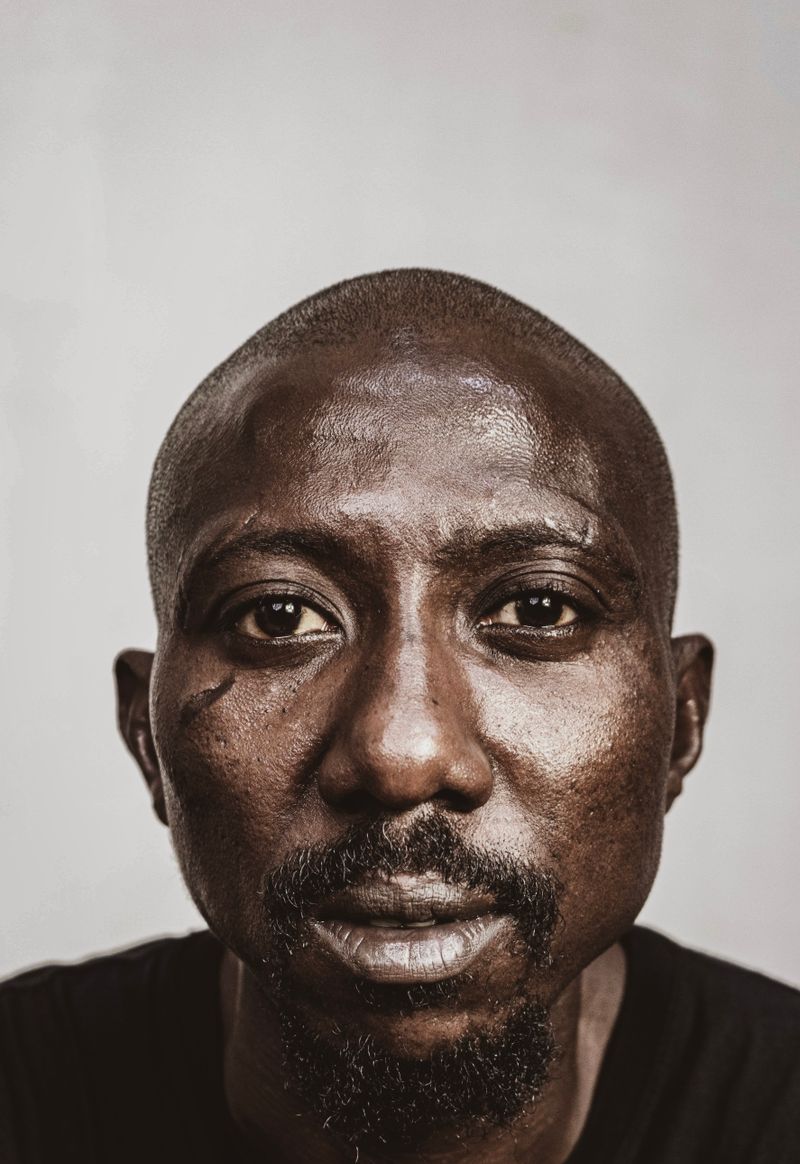
Darnell Pope
Trades careers — apprentice to crew leader to small business
I am a master electrician in Philadelphia. I came up through a union apprenticeship and now run my own four-man crew. I mentor brothers in the trades through the steps people don't talk about — making journeyman, taking your first contract, hiring your first apprentice, the bookkeeping that keeps you out of trouble, and the body care that keeps you working past fifty.
I am a master electrician in Philadelphia. I came up through a union apprenticeship at the local IBEW chapter, made journeyman at twenty-six, made master at thirty-three, and started my own four-man shop at thirty-eight. The shop has been running for fourteen years now. I am the boss, the senior electrician on the harder jobs, the bookkeeper, the dispatcher, and the man who has to fire someone when it comes to that. I am also an apprentice mentor with my local IBEW chapter and have been for the last ten years.
I coach brothers in the skilled trades through the career stages I have walked. The first stage is the apprenticeship — the first two to five years, depending on the trade — when the work is hard, the money is thin, and most brothers either leave the trade or get discouraged enough that they never quite commit. I help brothers in this stage get clear about whether the trade is for them, build the technical discipline that makes the apprenticeship pay off, and set up the finances that let them survive the lean years without taking on debt that will haunt them later.
The second stage is the journeyman years. This is when the money starts to be real, the work is consistent, and the brother has to decide what kind of tradesman he wants to be. Some brothers stay as journeymen for their whole careers; that is a respectable path and I do not push brothers off it. Some brothers want to pursue a master's license; I help them prepare for the exam, build the field experience they need, and navigate the credentialing process which varies by state. Some brothers want to start their own shop; I help them think through whether they actually want to be a small-business owner or whether they are romantic about the idea.
The third stage is the small-shop years, which is the stage I am in. Running a small trade business is a different skill from being a good tradesman. The bookkeeping, the insurance, the payroll, the scheduling, the bidding work, the customer relationships, the management of two to ten employees — none of this is what most master electricians trained for. I help brothers in their first three to five years of operating their own shops with the specific operational pieces that I had to learn the hard way.
I work primarily with brothers in the electrical trade — that is my specialty — but my coaching is useful across the broader trade landscape because the business and career patterns are similar. Plumbers, HVAC technicians, welders, mechanics, carpenters, general contractors with crews — the issues you face are recognizable across the trades. The trade-specific questions I will defer to a mentor in your specific trade; the business and career questions I can engage.
My rate is eighty dollars per hour. I work in arcs of three months, with biweekly hour-long sessions over video. I am based in Philadelphia and I have a limited number of in-person slots for brothers in the Philadelphia, Wilmington, or Trenton area. I work in English. I keep a small no-cost mentor track for apprentices in their first two years — write me directly if you are in that situation.
I do not work with brothers who want to make money fast. The trades are a long game. The first five years are hard, the middle ten years are when the work rewards the patience, and the rest is the long arc of building something durable. If you are looking for a fast path, the trades are the wrong field. If you are willing to do the work over decades, the trades are one of the most reliable economic paths in our communities and I will help you walk it.
Sign in to send Darnell Pope a virtual gift.
How a session works
What to expect when you book Darnell Pope.
1. Intro call
The first conversation is short and free. You describe your situation in your own words. Darnell Pope listens, asks a few clarifying questions, and decides honestly whether this is the right working relationship for what you are trying to do. Not every brother ends up being the right match for every mentor; the intro call exists so the decision is mutual and clear before any commitment.
2. Working sessions
Most ongoing engagements run on a biweekly or monthly cadence. Each session is roughly an hour. There is usually a piece of homework between sessions — a writing exercise, a conversation you have committed to having, a small decision you are sitting with. The work happens in the space between calls as much as in the calls themselves. The platform commission of 15 percent on paid sessions covers hosting, support, and the editorial vetting that keeps the mentor roster honest.
3. Long-arc relationship
The brothers who have worked with mentors on this platform longest are the brothers who treated the relationship as a long arc rather than a single transaction. The first three months are where the patterns get named. The next nine months are where the patterns start to shift. The years after that are where the relationship becomes something more like the long mentor relationships our elders had, which were rarely about a single career move and almost always about the slow shaping of a life.
Related circles
Brotherhood rooms in Career & Leadership and African American.
If Darnell Pope's scope overlaps with what you are working on, you may also benefit from the brotherhood circles in the same topic area or diaspora region. The circles are free to join with an account; the conversation happens between brothers rather than between a single mentor and a single client. Many of the brothers who eventually book Darnell Pope arrive after months of reading and posting in the circles below.
The Quiet Climb
Not the hustle-bro version. The long, deliberate version.
Brothers in Tech
Software, data, security, infra — the long game.
Own Shop
Small business owners, founders, side-hustle veterans.
First-Generation American
Born in America to African parents. Both, always.
Other mentors in Career & Leadership
Different price points and approaches.
Mentorship fit is specific. The right mentor for one brother is the wrong mentor for another, even when the topic area is the same. The brothers below all work in Career & Leadership but bring different backgrounds, regions, price points, and approaches. Read their full pages before you decide. The intro calls are free for a reason.
Kwame Mensah
18 yrs · African American · $250/hr
Engineering leadership — IC to director, FAANG-track or independent
Yonas Tesfaye
13 yrs · African American · $130/hr
First-generation career navigation — the family expectation tax
Adewale Ogundimu
12 yrs · Pan-African · $140/hr
Tech careers for first-gen Africans — staff engineer & beyond