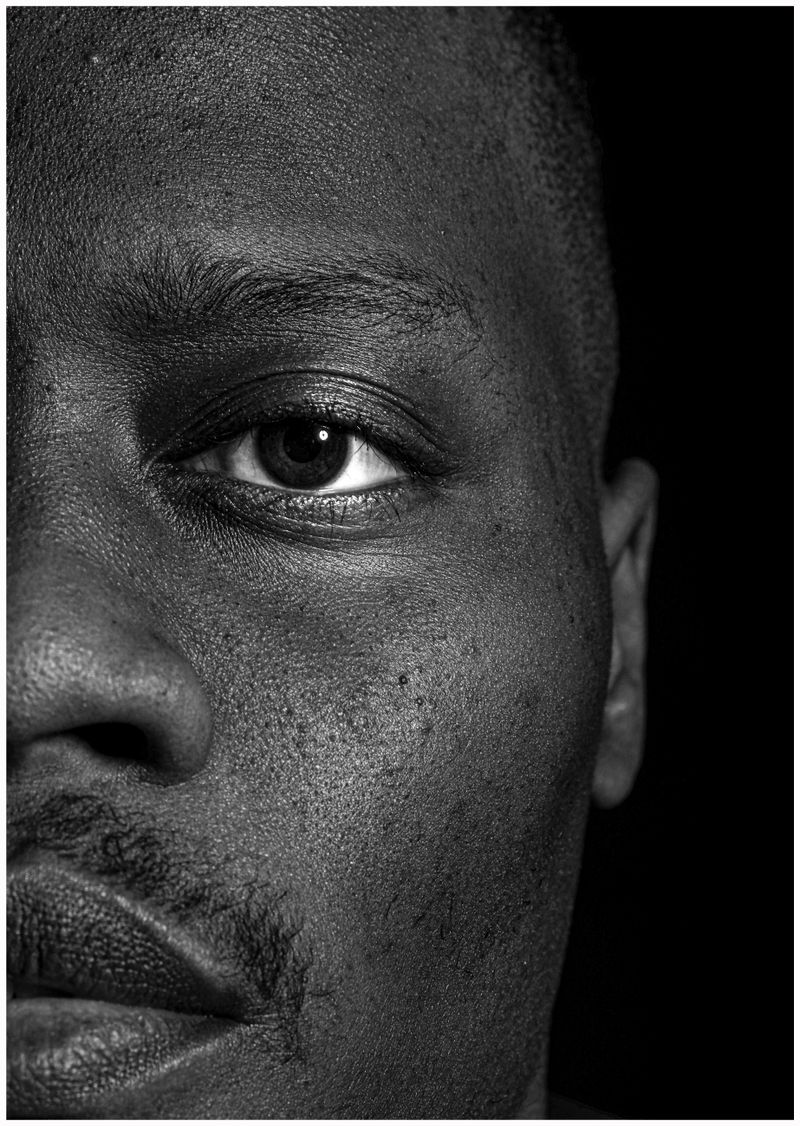
Carl Thompson
Dating after divorce — coaching for men, not pickup advice
I am a divorced father of three and a dating coach in Oakland with a background in family mediation. My work has nothing in common with the pickup-artist industry — it is about getting honest with yourself, healing what your divorce broke, and dating in a way that is fair to the women you meet and steady for the kids you're raising.
Free intro call. Twelve-session program.
I am a divorced father of three and a dating coach in Oakland with a background in family mediation. My own divorce, fifteen years ago, was the worst year of my life. The five years that followed taught me what I now teach other brothers. I am not a pickup-artist coach. I do not teach brothers how to manipulate women into sleeping with them. The work I do is the opposite of that work, and it is specifically for brothers in midlife who are dating after a long partnership ended.
My typical client is a Black man in his forties or fifties, six months to three years out of a long marriage or partnership, doing the work of becoming someone who can be in a serious relationship again. Some brothers come to me before they have started dating, asking how to do this well. Some come to me after a few painful early experiences, asking what went wrong. Some come to me a year or two into a new serious relationship, asking how to make it work when the patterns from the previous marriage keep showing up.
The first work I do with most clients is the work that should have come before the dating started. The honest reckoning with what happened in the previous marriage. The clear, calm understanding of what the brother's role was in the ending — not for the purpose of guilt, but for the purpose of not repeating the same patterns in the next relationship. The realistic accounting of what kind of partner the brother is now, after the divorce, after the parenting work, after the years of operational and emotional weight. The brother who did not do this work tends to import the unresolved material from the previous relationship into the next one within weeks. The brother who does this work first goes into dating with a clearer head and tends to have better outcomes.
From there we work on the practical dimensions of midlife dating. Where to actually meet partners — the apps, the in-person paths, the slow build through friend groups and community institutions. How to communicate honestly about where you are in life — divorced, with children, with the financial and emotional shape of being a midlife adult — without either oversharing or hiding. How to date with the appropriate pace, which for midlife brothers with children should generally be slower than the cultural pressure to move fast.
The children question gets specific attention. Introducing a new partner to your children is a decision with long consequences. Brothers I have worked with have done well and brothers I have worked with have done poorly. The brothers who did well had clear principles — they waited until the relationship was serious, they introduced gradually, they respected the time the children needed, they did not move new partners into the home until the relationship was very settled. The brothers who did poorly had compressed timelines and paid for it.
My rate is ninety dollars per hour. I work in arcs of three to six months. Sessions are by video, in English. I am based in Oakland. I keep a small sliding-scale list. I do not work with brothers who want pickup-artist coaching, brothers who want to talk about women in dehumanizing ways, or brothers who are looking for casual encounters; that is not the work I do. I do work with brothers who are looking for serious connection and willing to do the honest preparatory work that serious connection requires.
If you are considering reaching out, write to me. Tell me where you are in the process — the divorce or loss, the dating arc, where you are now. I read every note. I respond within a week. The work of becoming someone who can be in serious connection again is real work, and it is shared work, and we do it together.
Sign in to send Carl Thompson a virtual gift.
How a session works
What to expect when you book Carl Thompson.
1. Intro call
The first conversation is short and free. You describe your situation in your own words. Carl Thompson listens, asks a few clarifying questions, and decides honestly whether this is the right working relationship for what you are trying to do. Not every brother ends up being the right match for every mentor; the intro call exists so the decision is mutual and clear before any commitment.
2. Working sessions
Most ongoing engagements run on a biweekly or monthly cadence. Each session is roughly an hour. There is usually a piece of homework between sessions — a writing exercise, a conversation you have committed to having, a small decision you are sitting with. The work happens in the space between calls as much as in the calls themselves. The platform commission of 15 percent on paid sessions covers hosting, support, and the editorial vetting that keeps the mentor roster honest.
3. Long-arc relationship
The brothers who have worked with mentors on this platform longest are the brothers who treated the relationship as a long arc rather than a single transaction. The first three months are where the patterns get named. The next nine months are where the patterns start to shift. The years after that are where the relationship becomes something more like the long mentor relationships our elders had, which were rarely about a single career move and almost always about the slow shaping of a life.
Related circles
Brotherhood rooms in Community & Mentorship and African American.
If Carl Thompson's scope overlaps with what you are working on, you may also benefit from the brotherhood circles in the same topic area or diaspora region. The circles are free to join with an account; the conversation happens between brothers rather than between a single mentor and a single client. Many of the brothers who eventually book Carl Thompson arrive after months of reading and posting in the circles below.
The Long Hallway
Older brothers showing up for younger brothers.
The Long Marriage
Ten, twenty, thirty years in. The slow work.
First-Generation American
Born in America to African parents. Both, always.
Single Dads, Full Hands
Sole custody, primary parent, weekends-only — all of us.
Other mentors in Community & Mentorship
Different price points and approaches.
Mentorship fit is specific. The right mentor for one brother is the wrong mentor for another, even when the topic area is the same. The brothers below all work in Community & Mentorship but bring different backgrounds, regions, price points, and approaches. Read their full pages before you decide. The intro calls are free for a reason.