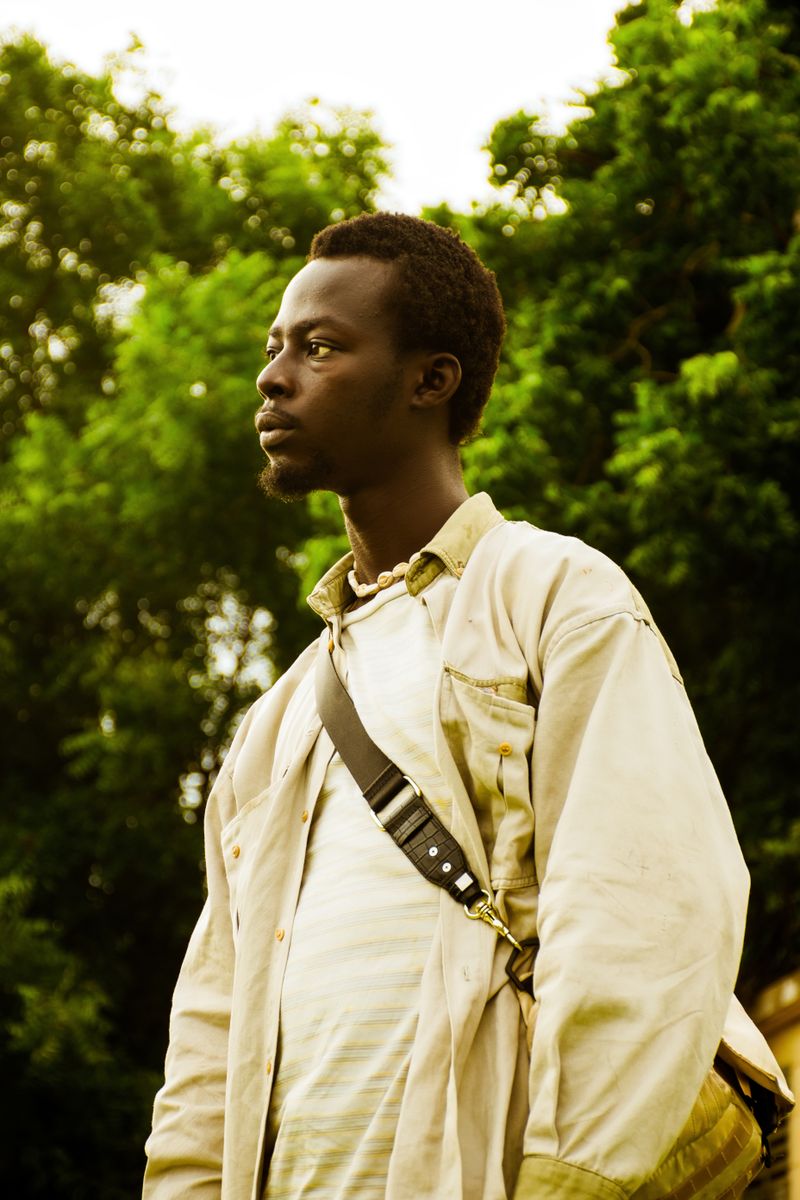
Mentorship is not a LinkedIn post — it's a long hallway with an open door at every stage of life. This circle pairs established brothers with brothers earlier in the path, across career, fatherhood, faith, recovery, immigration, school. Light structure, deep continuity.
The Long Hallway is the circle for the practice of mentorship as a long-term discipline rather than a transactional encounter. The platform's broader mentor marketplace is the place to find a mentor for a specific career or life situation; this circle is the place for the slower work of becoming the kind of brother to whom younger brothers will return over years.
The brothers in this room are doing mentorship as a discipline. Some are pairing formally with younger brothers through programs and structures. Some are informal mentors to multiple young men in their family, their church, their mosque, their workplace, their neighborhood. Some are recipients of long-term mentorship who are now several years into the work of becoming a mentor themselves. The arc is the arc — you were mentored, you become the mentor.
We talk about the work of mentorship with realism. Mentorship is not advice-giving. It is presence. It is the willingness to take a phone call at an inconvenient moment, to remember the names of children you have never met, to ask the follow-up question six months after the first conversation, to show up at the milestone moments — graduations, weddings, the first child, the career transitions — when the brother who is being mentored is feeling the weight of who is in the room.
We talk about the boundaries of the mentor relationship. Mentorship is not parenting. It is not therapy. It is not a guarantee of outcomes. Brothers in this room have learned, sometimes painfully, that the mentee's own life is their own life, and the mentor's job is to be present and useful rather than to be in charge of someone else's trajectory. Brothers share the specific moments they have had to learn that — the mentee who made a decision the mentor disagreed with, the mentee who stopped calling, the mentee who needed help the mentor was not equipped to provide and had to be helped to professional care.
We talk about mentorship within families. Many brothers in this room are mentoring nephews, younger cousins, younger brothers, and stepchildren in addition to or instead of formal mentees. The family dynamics complicate the work in particular ways. Brothers share what they have done to keep the mentor role distinct from the family role when that distinction was useful, and what they have done to let the family role inform the mentor work when that was useful.
We talk about mentoring across difference. The brother mentoring a young man from a different region of the diaspora. The brother mentoring across class lines. The brother mentoring a young man whose path is heading in a direction the mentor did not take — a different career, a different city, a different relationship structure. The work of staying useful across difference is real and the room shares what has worked.
We talk about the institutional mentorship work. Many brothers are involved with mentorship programs through schools, churches, mosques, fraternities, civic organizations, and the broader Black male initiative ecosystem that has built up over the last several decades. The strengths of those programs and the weaknesses — including the recurring problem of programs that build a strong cohort of mentors and then under-deliver on the matching, the follow-up, and the long-term commitment — get talked about honestly.
We talk about being mentored. The room is not only for mentors. Brothers seeking mentorship come here to ask questions that they might not ask in the formal mentor-match process. How do I approach a brother I want to learn from? How do I know when a mentor relationship has run its course? How do I receive mentorship without becoming dependent on it? The room respects the work of being mentored as well as the work of mentoring.
Pinned threads include a thread on the early-career mentor work, a thread on mentorship within families, a thread on the boundaries of the mentor role, a thread on mentoring across difference, and a thread on the institutional mentorship programs that brothers in the room have found most useful. New brothers welcome at every stage of the mentor relationship.