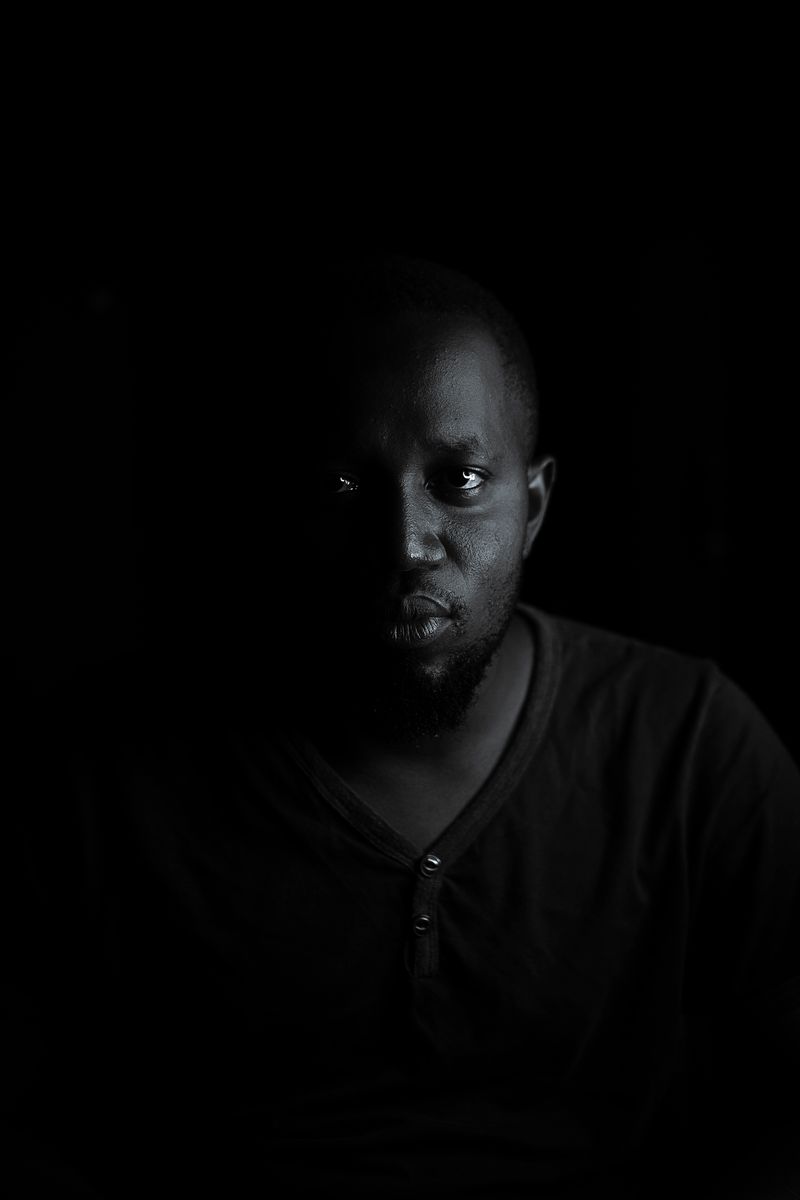
Queer Black and African men have been making families and lives long before the broader conversation caught up. This circle is a space for brothers who are gay, bisexual, questioning, partnered, single, parenting, out, or in complicated relationship with family of origin. Strictly moderated for safety.
This circle is for queer Black and African-diaspora men. The label is broad on purpose. Brothers in this room hold many identities — gay, bisexual, same-gender-loving, queer in the political sense, questioning, in the long work of coming out, fully public in their queerness for decades. The room is for all of them.
The room exists because the queer Black male experience sits at an intersection that few other rooms hold well. The mainstream Black community has historically been an uneasy place for queer brothers, and that history continues to shape daily life even as much has changed. The mainstream queer community has historically been a white-dominated space in many of its institutional forms, and brothers in this room have stories about what that has meant for them. The room is the place where both of these realities can be discussed without flinching.
The brothers in this room are at every stage of life. Some are young brothers in their twenties figuring out who they are, what to tell their families, how to build adult relationships that honor who they are. Some are in their thirties and forties, often in long partnerships, sometimes raising children, doing the ordinary adult work alongside the work of being queer in a world that still sometimes makes it complicated. Some are in their fifties, sixties, and seventies — the brothers who survived the early HIV epidemic, the brothers who came up in eras when being out was dangerous in ways the younger brothers did not experience, the brothers carrying decades of memory and witness. All of them are welcome.
We talk about the family conversation. Most brothers in this room have done some version of the coming-out work with parents, siblings, extended family. The specifics differ enormously by family culture, religion, and time. Brothers from continental African families, from Caribbean families, from African American families, from mixed-heritage families have very different stories. The room respects all of them. We do not judge the brother whose family still does not know. We do not judge the brother whose family knows and does not approve. We do not judge the brother whose family knows and has embraced. Each brother's family work is his own.
We talk about partnership. The brothers in this room in long-term same-sex partnerships share what has worked over the long arc — the communication practices, the family-of-origin negotiations, the money and household structures, the parenting decisions when they raise children together. The brothers in the dating arc share what dating has looked like in our community, with specifics that are different from the broader gay men's dating conversation.
We talk about parenting. Some brothers in this room are raising children with a partner. Some are co-parenting with a former female partner. Some are raising children adopted or fostered. Some are uncles, godfathers, or chosen-family father figures to children in the wider community. The work of raising children as a queer Black or African-diaspora man is rich and specific, and the room talks about it carefully.
We talk about health. The HIV conversation runs through this room with appropriate seriousness. The brothers who are HIV-positive in long-term management. The brothers on PrEP. The brothers in the conversation about regular testing, treatment access, the disparities in HIV outcomes within our community. The broader sexual health conversation. The mental health conversation, which is its own important work for queer brothers given the disproportionate burden of depression, anxiety, and substance-use issues that the research has documented.
We talk about the elders. The brothers in this room who survived the worst years of the HIV epidemic carry knowledge and grief that the younger brothers need to hear. The room makes space for that intergenerational conversation. We honor the brothers we lost. We honor the brothers still here.
Confidentiality in this room is strict. We do not screenshot threads. We do not share content from threads outside the room. Many brothers in this room are out in their daily lives; some are partially out; some are not out at all. The room protects every brother at the level of disclosure he himself chooses.
Pinned threads include the family-conversation thread, the partnership thread, the parenting thread, the health thread, a thread for elders and a thread for younger brothers, a thread on faith and queerness, and the broader thread on being queer and Black at this particular moment in history. New brothers welcome at every stage and every level of openness.