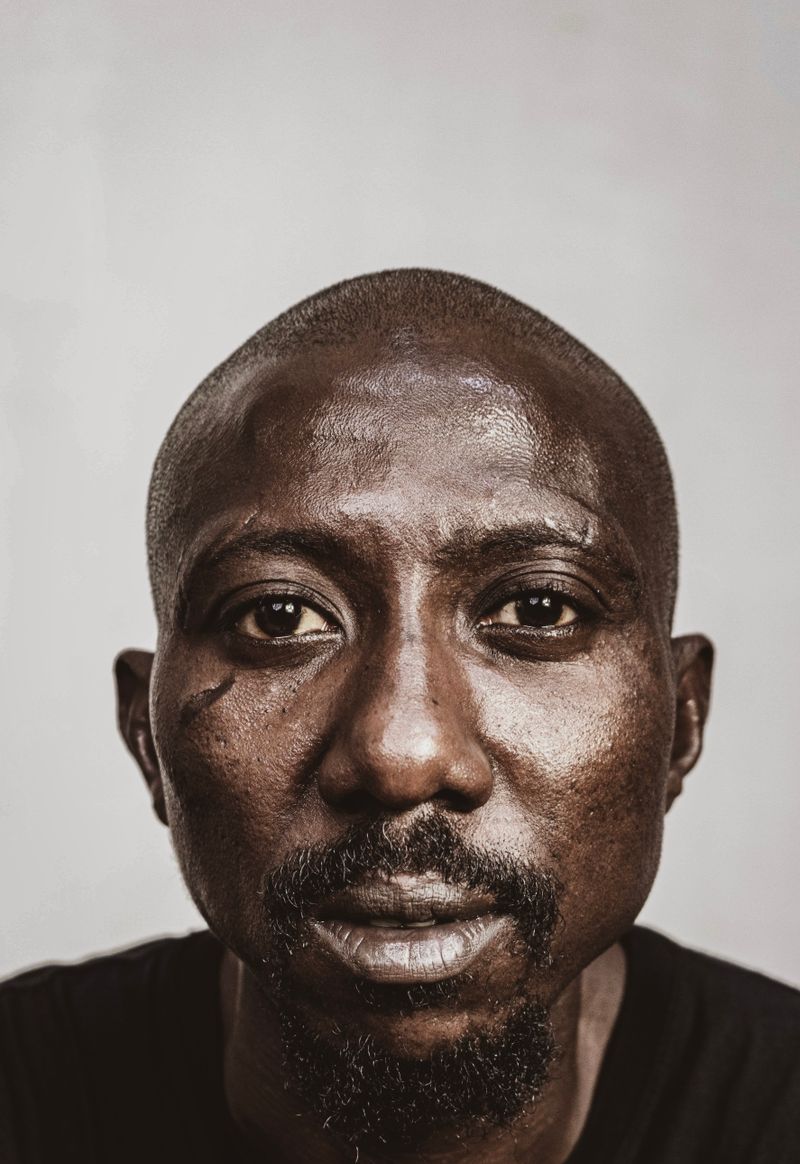
Ibrahim Cissé
Money basics — index investing, real estate, family remittance math
I came to France from Mali at 19 with €200 and a maths degree I had to redo from scratch. Twenty years later, I help African brothers untangle the money knot: how to save with a low income, how to invest without getting scammed, how to help family back home without going broke yourself, and how to think about the long game when the short game keeps eating everything.
Sessions are practical, with a worksheet you keep. Free 30-minute first call.
I came to France from Mali at nineteen years old, with two hundred euros, a mathematics degree that nobody in France would recognize, and a willingness to start over. Within five years I had a French mathematics degree. Within ten I was a financial analyst at a Paris bank. Within fifteen I had paid off my debts, sent enough money home that my younger brother could finish university, and started a small consulting practice on the side. The path was not romantic. It was a long series of small, careful decisions about money that compounded over time.
I now help African brothers — primarily in Europe, though I work with brothers in North America as well — untangle the money knot. What I mean by 'the money knot' is the specific tangle that catches almost every brother in the African diaspora: how do you save with a modest income when family expects support, when the cost of living in your adopted city eats most of what you earn, when you have never been taught the basics of investing, and when the financial advice you find online assumes a different starting point than yours.
My approach is concrete. We do not start with portfolio theory or with discussion of macroeconomic conditions. We start with a worksheet that maps where your money is actually going. The first session is usually a humbling session for the brother — most of us have a story about our money that does not match the actual numbers — and it is a freeing session. Once we know the numbers, we can do something with them.
From there, we work on three areas in sequence. The first is stabilization — building an emergency fund, paying down high-interest debt, getting the cash-flow picture under control. The second is investment — the basics of low-cost index investing, the retirement accounts available in your country, the question of whether and how to invest in real estate, the question of whether to send money back home through formal channels (which I generally recommend) or informal channels (which I do not, except in narrow situations). The third is what I call architecture — the long-term structure of your finances over the next decade, including taxes, estate planning when relevant, and the relationship between your money and the rest of your life.
I am especially careful with brothers in the family-support conversation. Many of us send substantial money home — to parents, siblings, the home village, the school construction project — and we do it without ever having the conversation with the family about what is sustainable. The conversation is difficult. It is also necessary. I help brothers prepare for it. I do not tell brothers to send less; I tell brothers to send what they can sustain and to be honest about what that is.
My rate is ninety dollars per hour, with a free thirty-minute first call. Sessions are by video, in English or French (I work fluently in both, and Bambara for the brothers who prefer it). I work in arcs of three months or six months rather than open-ended engagements; the work tends to need that kind of structure to get anywhere. After our work together ends, brothers often come back for occasional check-in sessions at major life events — a marriage, a child, a new job, a big purchase — and I am happy to do that.
I do not give specific investment advice. I help brothers understand the principles well enough to make their own decisions, often in partnership with a licensed financial advisor in their own country. I also do not promise outcomes. The brothers who do this work well are the brothers who are honest with themselves about where they are now. The rest follows.
Sign in to send Ibrahim Cissé a virtual gift.
How a session works
What to expect when you book Ibrahim Cissé.
1. Intro call
The first conversation is short and free. You describe your situation in your own words. Ibrahim Cissé listens, asks a few clarifying questions, and decides honestly whether this is the right working relationship for what you are trying to do. Not every brother ends up being the right match for every mentor; the intro call exists so the decision is mutual and clear before any commitment.
2. Working sessions
Most ongoing engagements run on a biweekly or monthly cadence. Each session is roughly an hour. There is usually a piece of homework between sessions — a writing exercise, a conversation you have committed to having, a small decision you are sitting with. The work happens in the space between calls as much as in the calls themselves. The platform commission of 15 percent on paid sessions covers hosting, support, and the editorial vetting that keeps the mentor roster honest.
3. Long-arc relationship
The brothers who have worked with mentors on this platform longest are the brothers who treated the relationship as a long arc rather than a single transaction. The first three months are where the patterns get named. The next nine months are where the patterns start to shift. The years after that are where the relationship becomes something more like the long mentor relationships our elders had, which were rarely about a single career move and almost always about the slow shaping of a life.
Related circles
Brotherhood rooms in Money & Generational Wealth and Afro-European.
If Ibrahim Cissé's scope overlaps with what you are working on, you may also benefit from the brotherhood circles in the same topic area or diaspora region. The circles are free to join with an account; the conversation happens between brothers rather than between a single mentor and a single client. Many of the brothers who eventually book Ibrahim Cissé arrive after months of reading and posting in the circles below.
Other mentors in Money & Generational Wealth
Different price points and approaches.
Mentorship fit is specific. The right mentor for one brother is the wrong mentor for another, even when the topic area is the same. The brothers below all work in Money & Generational Wealth but bring different backgrounds, regions, price points, and approaches. Read their full pages before you decide. The intro calls are free for a reason.