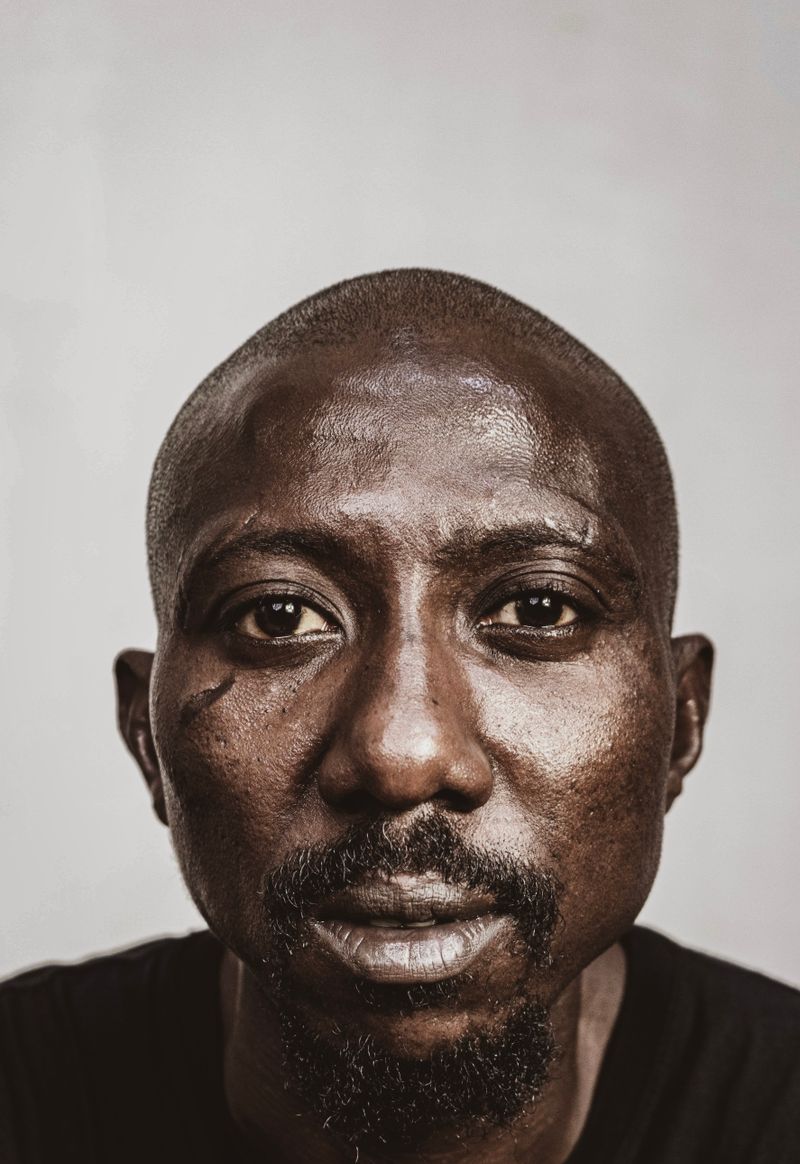
Muslim African men in the diaspora carry double weight — the cultural pressures from family, the assumptions from broader society, and the daily discipline of faith itself. This circle covers prayer, fasting, marriage, raising children in faith, and the harder questions about doubt, depression, and how to live the deen as it's lived rather than as it's marketed.
This circle is for Muslim brothers in the African and African-diaspora community. The Muslim presence in our community runs deep — through West African Muslim majorities, through East African Sufi traditions, through Muslim African Americans whose lineage runs into both enslaved Muslim ancestors and twentieth-century Black Muslim movements, through Afro-Caribbean Muslim communities, through Afro-European Muslim communities, and through brothers who came to Islam as adults. The room respects all of those paths.
Brothers in this circle are at every level of practice. There are imams and scholars in formal religious leadership. There are brothers who attend Friday prayer faithfully every week. There are brothers who are observant during Ramadan and irregular the rest of the year. There are brothers who consider themselves Muslim culturally but practice selectively. There are brothers in their first months of the Shahada and brothers fifty years in. The room is for all of them.
We talk about prayer in the texture of busy lives. The five daily prayers held through commutes, work schedules, parenting demands, the unpredictable hours of professions that did not consult Islam when they were built. Brothers share specific solutions — the prayer rooms they have found at work, the conversations they have had with employers, the way they have built routines that accommodate the practice without making it precarious. None of it is easy. All of it is doable.
We talk about raising Muslim children in non-Muslim majority contexts. The school calendar that does not pause for Eid. The history curriculum that misrepresents Islam. The social pressure on Muslim teenagers, especially daughters, that comes from outside the household. The brothers in this room have done this work. They share what has worked — the supplementary Islamic schools, the home study traditions, the conversations with their children about the difference between Islam as practiced and Islam as portrayed.
We talk about Ramadan as a community discipline that holds us together across the diaspora. The brothers in this room fast across continents. The shared experience of the long fast, the iftar gatherings, the increase in scripture reading and reflection, the way the month resets the soul every year — all of that is shared. We support brothers for whom Ramadan is hard for medical or psychological reasons. We honor the brothers who fast and the brothers who, with reason, cannot.
The circle includes brothers from Sunni traditions, brothers from Shia traditions, and brothers from Sufi orders. The scholarly disagreements between traditions are real and we do not paper over them. We also do not allow brothers to use the circle to disparage another brother's tradition. Disagreement on a question of practice is welcome. Contempt for the brother on the other side is not.
We talk about the Black Muslim experience specifically. The history of Black Muslim movements in twentieth-century America. The relationship between the Black Muslim experience and the broader umma. The cultural tensions that show up in mixed-immigrant-African American Muslim communities. The way Black Muslims in the West are often asked to choose between their Blackness and their faith, and the refusal of brothers in this room to choose.
The marriage threads are practical. Marriage in Islam has specific frameworks; living through a Muslim marriage in a non-Muslim majority country brings particular questions. Brothers share what worked, what did not, and the rare and valuable thing in the room — the long view of brothers twenty and thirty years into Muslim marriages who can speak honestly about both the work and the reward.
Pinned threads include a thread on prayer at work, a thread for brothers raising Muslim children in non-Muslim majority schools, a Ramadan-support thread that goes year-round, a thread for new Muslims, a thread on the books and lectures brothers across the diaspora have found most useful, and a thread on Black Muslim history that is updated as new scholarship emerges. New brothers welcome at every level.