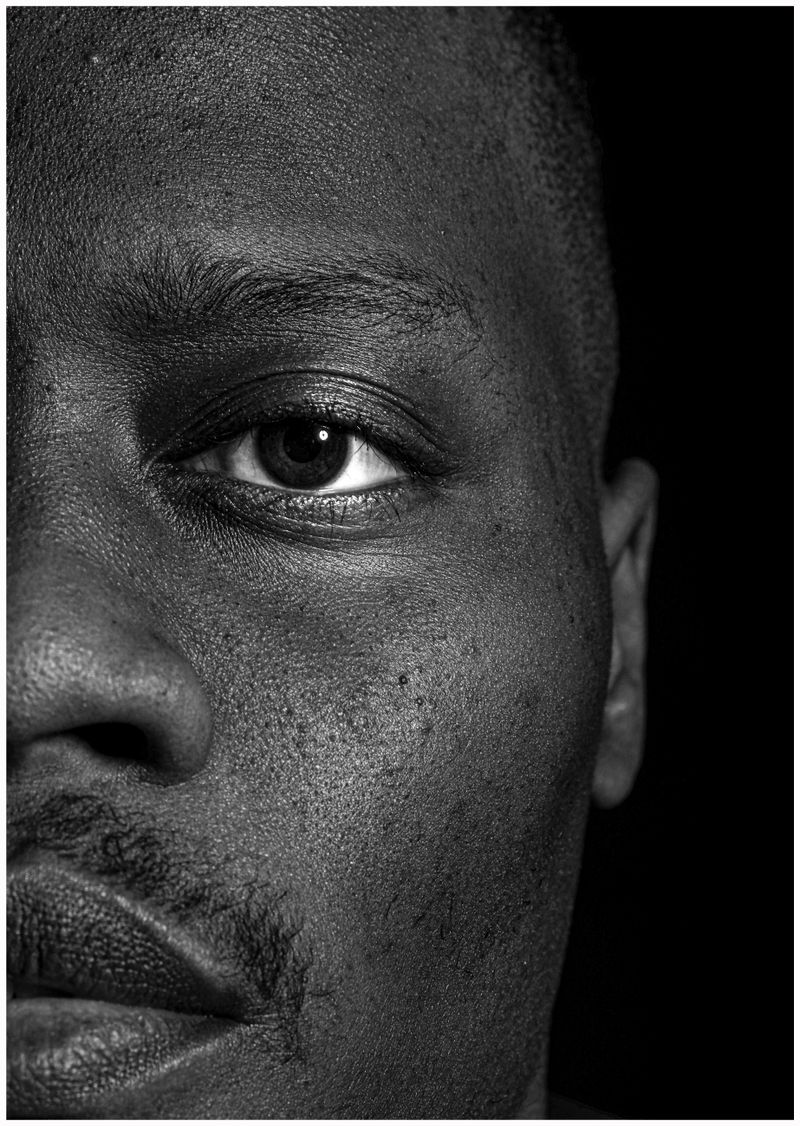
Fatherhood, across diaspora, is older than colonialism and deeper than the absent-father myth our generation grew up with. This circle is for fathers — biological, adoptive, step-, co-parenting, single — who want to do this with intention. We talk about discipline without violence, presence without performance, money without shame, and what it means to be the kind of dad our kids will want to call when life gets hard.
The Fatherhood Circle is the oldest room on this platform. It was the first one we opened, and it remains the room most brothers find their way to before any other. There is a reason for that. Most of us came up watching men do fatherhood in pieces — present for some seasons, missing for others, half-here even when their bodies were in the room. We carry that history into the work of being dads ourselves, and the work goes better when it is shared.
What you find here is not a parenting curriculum. We do not rank-order discipline methods, push a single attachment style, or pretend there is one right way to raise a Black or African boy. What we share instead is the specific texture of African and African-diaspora fatherhood: how to teach your son to be respectful in a country that will read his respect as weakness; how to talk to your daughter about race before she has the vocabulary for it; how to handle the moment your nine-year-old asks why the police make you tense; how to be present when work is two hours of commuting on either side of a ten-hour day.
The brothers who show up most consistently are dads in their 30s and 40s with kids between three and seventeen. We also have a steady contingent of grandfathers raising grandchildren, stepfathers ten years in, and a small but important group of expectant fathers learning the format before their first child arrives. The age and life-stage spread is on purpose. The dad who is up at 2 a.m. with a colicky newborn benefits from the voice of a man whose newborn is now twenty-three and calls home every Sunday.
Threads here are heavily pinned. The circle lead curates a monthly anchor thread on a recurring topic — discipline without violence, the talk on race and policing, money lessons for kids, how to handle your own father in old age — and the rest of the month's threads tend to gather around it. The pacing is deliberately slow. We are not chasing engagement here. We are trying to do the actual work of raising children well, which happens on a timeline of years, not minutes.
One pattern that has emerged is the way brothers from different regions of the diaspora teach each other. A Ghanaian father in Houston and an African American father in Detroit and a Trinidadian father in Brooklyn all have different inheritances to draw on. The continental brother grew up watching uncles share the work of raising boys. The American brother grew up with media that told him fatherhood was optional. The Caribbean brother grew up with the long-arm reach of a grandmother who was the real authority. None of these are better. All of them are useful. The circle is where we trade them.
If you are new and trying to figure out where to start, read the pinned threads from the last six months. They are pinned because they hold up. Then post your own question. Be specific. Brothers here answer specific questions well; they answer vague ones by asking you to be more specific. That is not a brush-off. It is how we keep the room useful.
A note on what this circle is not. It is not a co-parenting support group — that work has its own room on the platform. It is not a divorced-fathers legal-strategy circle either, though many of the brothers here have been through family court and will speak to it when asked. It is not a place for venting about the mother of your children; we ask that brothers do that work in therapy, with a mentor, or in private. The room stays child-centered. The kids are what we are here for.